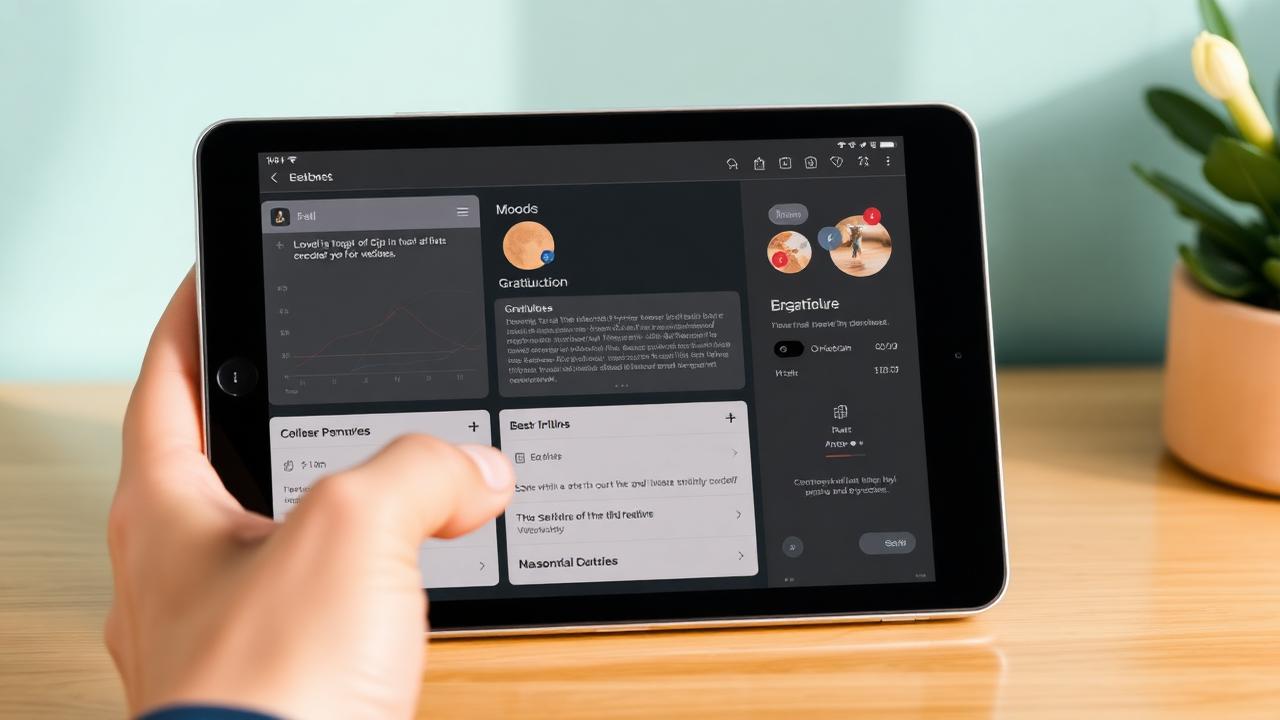
Digital journaling is experiencing a renaissance. While 64% of people try journaling, only 19% stick with it long-term. Digital journaling changes this with searchable entries, prompts and templates, mood tracking, privacy and encryption, and multimedia entries (photos, voice notes). Digital journalers are 2.5x more likely to maintain a consistent practice.
If you love the structure of a paper journal — rapid logging, daily/monthly spreads, habit trackers — see our companion guide to the best bullet journal apps of 2026 for a digital take on the BuJo method.
Why Digital Journaling?
Traditional Paper Journaling
Pros: Tactile satisfaction, no screen time, portable without devices, ritual of handwriting.
Cons: Not searchable (can't find old entries), bulky to store, can get lost or damaged, slow to write, limited by physical space, privacy concerns (anyone can read).
Digital Journaling
Pros: Instantly searchable (find any memory), unlimited space, encrypted privacy, fast to capture thoughts, multimedia support (photos, voice, links), automatic backups, accessible anywhere, mood tracking and insights, prompts and templates.
Cons: Screen time, needs device, less tactile, potential distractions.
Bottom line: For most people, digital journaling's benefits far outweigh the downsides. The ability to search years of entries alone is transformative.
10 Types of Digital Journals
1. Daily Reflection Journal
What it is: End-of-day reflection on experiences, feelings, and learnings.
Prompts:
- What am I grateful for today?
- What challenged me?
- What did I learn?
- What will I do differently tomorrow?
Benefits: Increased self-awareness, better sleep (processes day), tracks personal growth, reduces stress.
Best for: Anyone wanting to build journaling habit, beginners, those seeking mental clarity.
2. Gratitude Journal
What it is: Daily list of things you're grateful for.
Format: List 3-5 things daily. Be specific ("Coffee with Sarah this morning" vs "Good friends").
Science: Research shows gratitude journaling increases happiness 25%, improves sleep, reduces depression, and strengthens relationships.
Best for: Those struggling with negativity, improving mental health, building positive mindset.
Tip: Set reminder for same time daily (morning or evening).
3. Goal Tracking Journal
What it is: Track progress on specific goals.
Start small (one sentence daily), build consistency (same time each day), use prompts if stuck, and review regularly (weekly).
Journaling compounds. One entry seems small. 365 entries reveal your life. Your future self will thank you. Start today.
For more productivity tips, see our guides on organizing digital notes, voice note-taking, and the bullet journal apps roundup if you want structure baked into your daily practice.
Luma Editorial Team
• EditorialLuma's editorial team researches and writes these guides based on publicly available information, hands-on use of Luma and other apps, and reader feedback. Articles are reviewed and updated periodically to keep pricing and features accurate.
Ready to Apply These Tips?
Luma turns the notes you write into a summary and flashcards. The free plan is permanent — no card needed.
Related Articles

Journaling for Mental Health: Complete Beginner's Guide
Discover the mental health benefits of journaling. Learn therapeutic techniques including gratitude journaling, thought records, CBT methods, and emotion tracking.
Best Bullet Journal Apps 2026: 8 Tested (Paper, Notion & Apps)
We tested 8 bullet journal apps and setups for 2026 — from paper BuJo to Notion templates and dedicated apps. Rapid logging, spreads, habit trackers, and streaks compared.
Bullet Journaling for Anxiety: Complete Setup Guide
Master bullet journaling for anxiety management. Learn mood tracking, thought dumps, gratitude logs, and how to replicate BuJo benefits digitally.

Morning Routine Habits That Transform Productivity
Build a powerful morning routine with proven productivity habits. Learn morning pages, planning strategies, journaling techniques, and habit stacking methods.